
Loan scams
Loan scams are a type of advance fee fraud. Fraud has been committed when money has been lost.
What are loan scams?
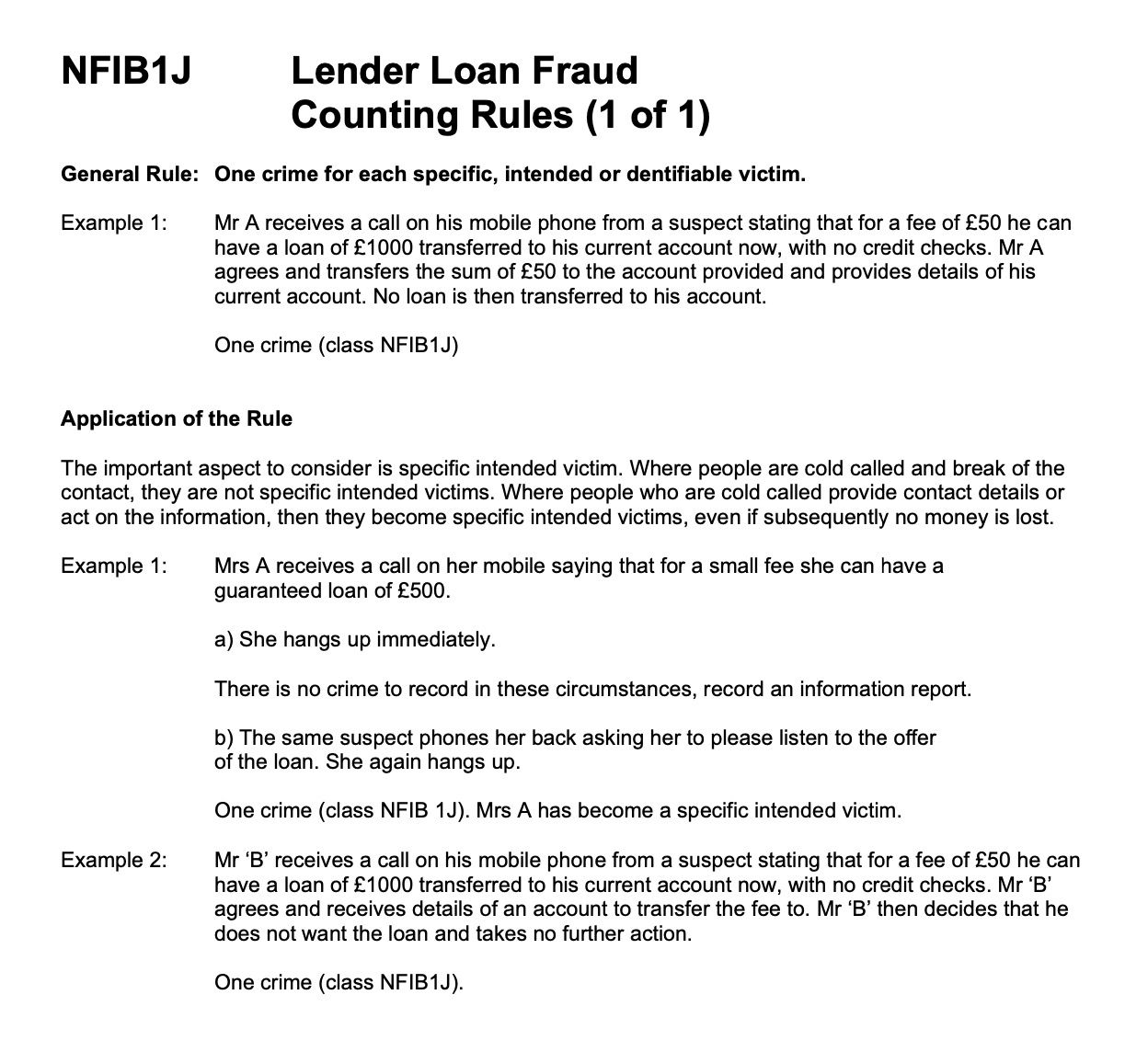
Loan scams happen when a victim is asked to pay an upfront fee for a loan.
A person will typically reply to an advert for a fast loan and will have their application approved regardless of their credit history. Before they receive the loan, they are told to pay an upfront fee to cover insurance for the loan.
Once this fee is paid, the victim does not hear from the company again and the loan is never received.
Loan scams are a type of advance fee fraud. Fraud has been committed when money has been lost.
If fraud has been committed, report it to Report Fraud.
How to protect yourself from loan scams
Scam messages: If you’ve received a message that feels suspicious, STOP! Break the contact – don’t reply, click on any links, call any phone numbers or make any payments. You can check if it’s genuine by contacting the organisation directly using an email address or phone number you know is correct, e.g. from an official letter, via a search engine, on the back of your card or by calling 159 for banks.
FCA register: Use the Financial Conduct Authority’s (FCA) register to check if the company is regulated by the FCA. If you deal with a firm (or individual) that isn’t regulated, you may not be covered by the Financial Ombudsman Service (FOS) if things go wrong and you lose your money. For more information about how to invest safely, please visit the FCA website.
Advanced payments: Unsolicited offers of large sums of money in return for a small upfront payment should always raise a red flag. Never respond to any requests to send money, or have money transferred through your account by someone you don’t know and trust.
Payment method: Where possible, avoid payments via bank transfer as it offers you little protection if you become a victim of fraud. Instead, use a credit card or payment services such as PayPal.
What to do if you are a victim of loan scams
If you have made a payment: Inform your bank as soon as possible, they can help you prevent any further losses. Monitor your bank statements regularly for any unusual activity.
Identity theft: If you have shared personal or financial information, and suspect your identity may have been stolen, you can check your credit file quickly and easily online. You should do this every few months anyway, using a reputable service provider and follow up on any unexpected or suspicious results. You can also sign up for Cifas services which can help to protect you against fraud.
You could be targeted again: Fraudsters sometimes re-establish contact with previous victims claiming that they can help them recover lost money, this is just a secondary scam. Hang up on any callers that claim they can get your money back for you.